Signs You May Have Gum Disease
Most of us focus on our teeth. We spend so much time in the mirror looking at their brightness and straightness. As a result, we often neglect our gums, even though they are the foundation of the smile. By not taking care of our gums, we’re putting everything else at risk. Read on to learn more.
Gum Health Matters
Your gums keep your teeth in place. If gums become diseased, the consequences can be significant: tooth decay, infection, shifting and loose teeth, intense sensitivity, tooth loss, and even systemic illness. Keeping your gums healthy is essential to keeping your entire body healthy!
Bleeding When You Brush or Floss
One of the earliest signs of gum disease is bleeding during brushing or flossing. When this happens, you might assume it’s because you are brushing too hard. While technique does matter, bleeding is more often a sign of inflammation. When plaque builds up along your gumline, the bacteria can start irritating your gum tissue. This irritation results in swelling and tenderness, and inflamed gums tend to bleed more easily.
The early stage of gum disease, known as gingivitis, is common and, fortunately, treatable. With professional cleanings and improved home care, your gums can return to a healthier state. Common things to look out for include:
Red, Swollen, or Tender Gums
Healthy gums fit snugly around your teeth. They should not look puffy or feel sore. If you notice that your gums appear darker red than usual, feel swollen, or are sensitive to the touch, this is a sign of inflammation. This inflammation happens when bacteria remain around your gums even after brushing and flossing.
Persistent Bad Breath
Bad breath that does not improve with brushing or mouthwash may be linked to gum disease. Bacteria trapped under your gumline release toxins that contribute to unpleasant odors. If you feel like you are constantly fighting bad breath despite good hygiene, we recommend a professional evaluation. We usually begin by removing hardened plaque, also called tartar, because it cannot be brushed away at home. If it persists, we will proceed to the next steps.
Receding Gums or Loose Teeth
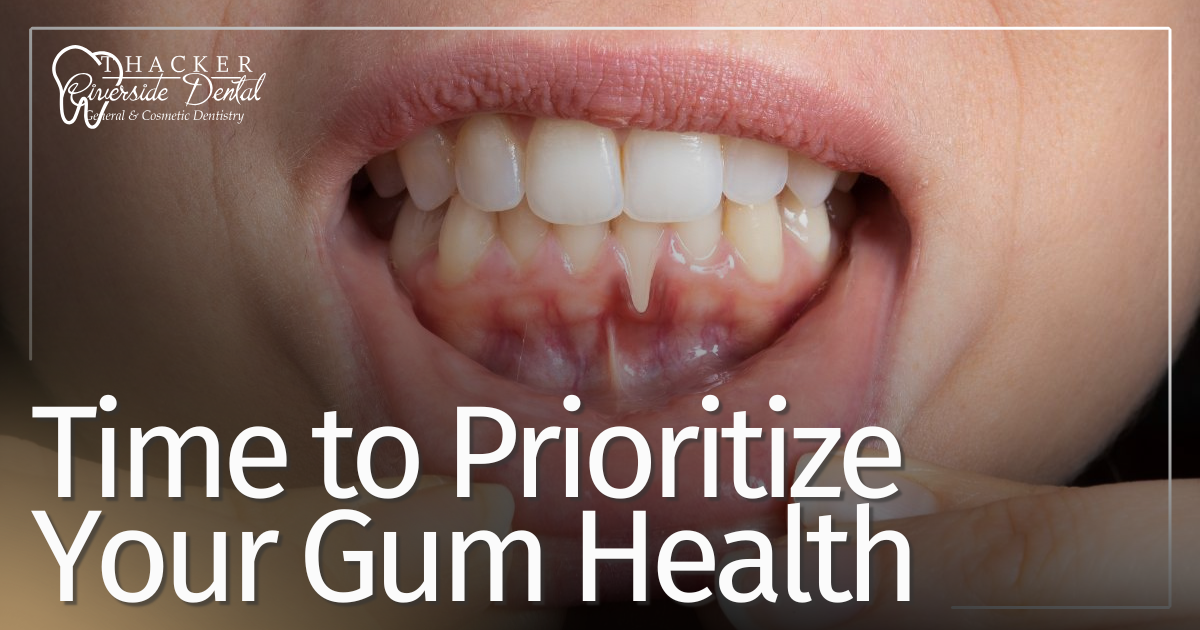
As gum disease progresses, it can begin to affect the supporting structures of your teeth. You may notice that your teeth look longer than before. This happens when gums start to recede. In more advanced stages, teeth may feel loose or shift slightly. This stage, known as periodontitis, requires more focused treatment to control the infection and protect your bone health.
Taking the Next Step
Gum disease often develops quietly. It may not cause any pain at first, which is why regular checkups are so important. If you have noticed bleeding, swelling, or changes in your gums, do not ignore these signs. Your body is asking for support.
Our team is here to help you maintain strong, healthy gums. Contact our office located in Livermore, KY, today to schedule a consultation. We look forward to seeing you.