Tooth Extractions: When Letting Go Protects Everything Else
Nobody walks into a dental office hoping to hear that a tooth needs to come out. But extraction is sometimes the most appropriate path forward, not because the tooth couldn’t be saved, but because keeping it would compromise the surrounding teeth, bone, and gum tissue in ways that could lead to larger problems down the line.
How Can It Get That Bad?
We always try to preserve natural tooth structure whenever possible. However, we won’t sacrifice a patient’s overall oral health to save a tooth. Extraction becomes necessary when:
- Decay is too deep for root canal therapy to help
- Infection has spread to the surrounding bone
- Advanced periodontal disease has destroyed the tooth’s support structure
- Fractures extend below the gumline
- An impacted wisdom tooth causes pain or develops an abscess
What to Expect With Tooth Extraction
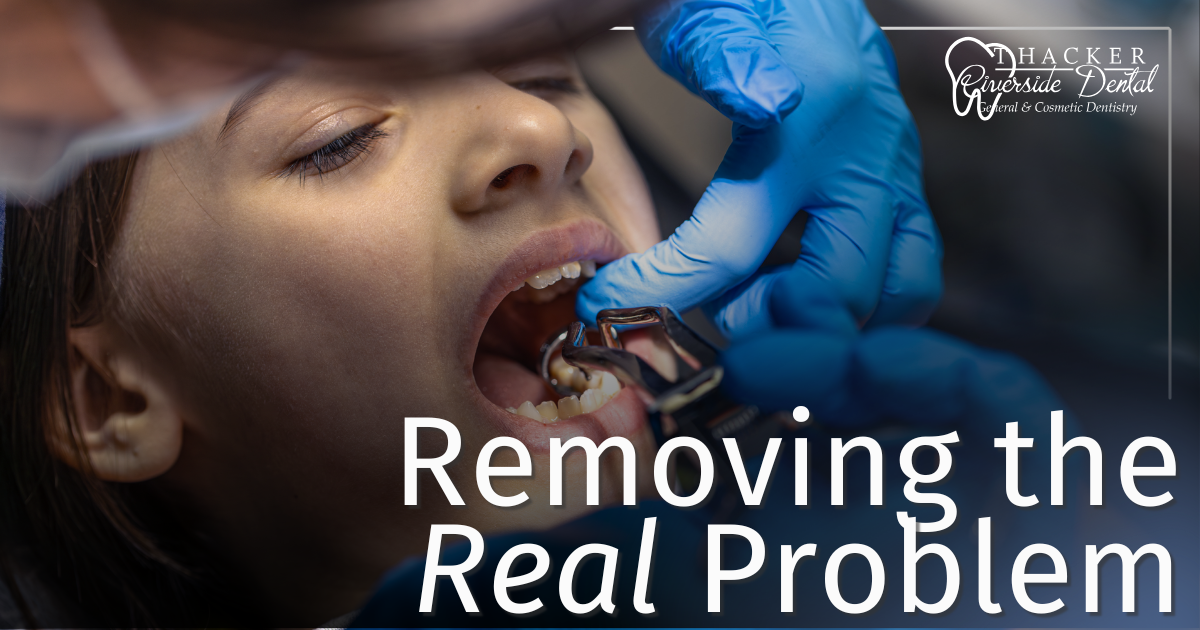
Before we start the procedure, we’ll make sure the area is completely numb and you’re comfortable. We do not want you to feel any discomfort. A typical extraction is relatively straightforward and takes a few minutes to complete. If the tooth is impacted or badly decayed, the procedure will require a surgical approach and take a bit longer. In all cases, we will make sure you are comfortable the entire time.
Healing After Tooth Extraction
Recovery follows a predictable sequence that most patients move through without difficulty. In the first 24 hours, a blood clot forms in the socket and serves as the foundation for healing. Protecting that clot is the most critical part of early aftercare. During this time, you should avoid drinking through straws, smoking or using any kind of tobacco, and vigorous rinsing to support healing and prevent dry socket. Soreness in the first two to three days is normal and usually manageable with either prescribed or over-the-counter pain meds.
Next Steps
After we remove a tooth, the underlying jawbone no longer receives the stimulation it needs to maintain density, and adjacent teeth begin to shift into the space. These changes start slowly, but that doesn’t mean they shouldn’t be addressed right away.
The best way to prevent secondary oral health problems after tooth extraction is to replace the tooth. Therefore, we’ll talk to you about replacement options, be it a dental implant or bridge, as we’re discussing your tooth extraction procedure.
Letting go of a tooth that has stopped serving its purpose is not a setback; for most patients, it’s the point at which things start moving in a better direction. If you’re worried about a tooth or it’s been some time since your last checkup, call Thacker Riverside Dental, located in Livermore, KY, to schedule an appointment.