Sleep Apnea: What You Need To Know
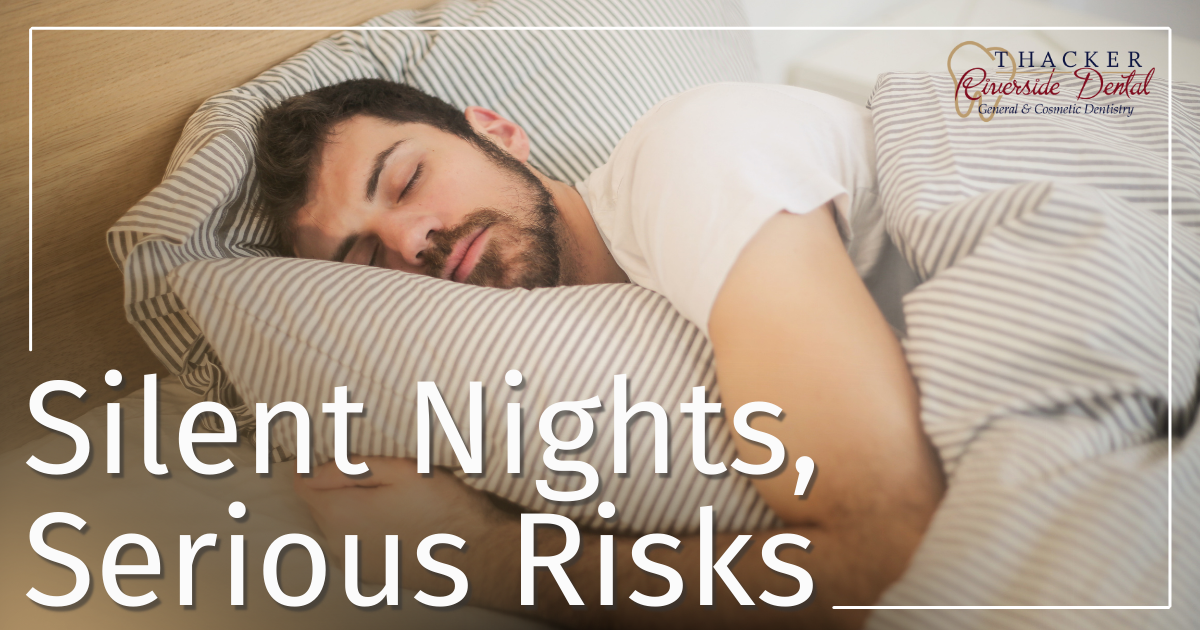
We’ve all witnessed it. A person jokes about how loudly they snore or teases their spouse about keeping the whole house awake. But snoring is more than just an annoyance. In many cases, it’s the body’s way of signalling a larger health concern that can affect everything from energy levels to heart health.
Snoring, a Sign of Sleep Apnea?
Occasional snoring may not be a concern, but when snoring seems to be the norm, it’s worth investigating. One of the most common indicators of sleep-disordered breathing and sleep apnea is loud, persistent snoring. The easiest way to find out what the snoring means is with an at-home sleep study, a comfortable, non-invasive way to determine sleep quality. If the results show that breathing is being interrupted, it’s likely sleep apnea is to blame.
Sleep Apnea Without Snoring?
While snoring is easily the most common symptom of sleep-disordered breathing, not everyone with sleep apnea snores. Many people go years without realizing that their symptoms are due to sleep apnea, for example:
- Frequent nighttime trips to the bathroom
- Morning headaches
- Chronic fatigue
- Uncharacteristic irritability
- Trouble concentrating
- Teeth grinding
- Acid reflux
- Elevated blood pressure
Another extremely common sign of sleep apnea is waking up coughing or gasping for air. This can happen multiple times an hour without the person registering it even once.
Treatment Makes a Difference
Even if a person has mild symptoms that don’t significantly disrupt their life, they should still seek treatment because sleep apnea does not normally resolve on its own. In fact, untreated sleep apnea has cumulative effects.
When the brain is deprived of oxygen at night because of sleep-disordered breathing, the body has to work harder just to survive. That puts a lot of stress on all systems and, over time, increases the risk for heart problems and other serious health concerns. The good news is that diagnosing and treating sleep apnea early means we can offer treatment to restore proper breathing, improve sleep quality, and reduce the risk of adverse health effects.
If you, your spouse, or your child has experienced any concerning symptoms, with or without snoring, call our office located in Livermore, KY. A home sleep screening could be the first step to restful nights and better days.